
"sun-dried coffee"
5000 article(s) found

Individual coffee beans recommend Ethiopian coffee Harald coffee sun G3
Professional coffee knowledge exchange more coffee bean information please follow the coffee workshop (Wechat official account cafe_style) [Ethiopia] Harald-G3 beans series: Grade 3 treatment: natural sun method certification: no certification, all coffee is non-toxic organic cultivation * Ethiopia Harald no water washing bean coffee is almost all from

Flavor description of Ethiopian boutique coffee beans introduction to the taste and origin of grinding scale varieties
Flavor description of Ethiopian boutique coffee beans grinding scale varieties taste origin introduction of how many Arabica subspecies there are in Ethiopia, even the official research unit of Ethiopia does not know. The coffee cooperatives in this mountain are certainly different from those planted in another mountain, and even small farmers in the same region grow different varieties of coffee. Some people estimate that Ethiopian coffee arrives

Mocha Africa's unique Yemeni coffee bean sun-dried coffee bean boutique coffee
Because the beans are relatively small and there is a big difference in particle size, we should pay attention to the problem of stuck beans when using a drum roaster. Yemen is located in the Arabian Peninsula of the Asian continent, across the Red Sea and Africa, generally classified as African beans. When it comes to Yemen, what most people think of directly is Mocha! In fact, Mocha is a port in Yemen, where almost all the attached coffee used to be.
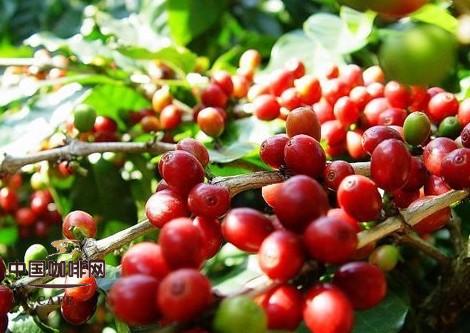
Ethiopian sun-dried yejafen aricha light fermented wine sweet tangerine flavor
Yega Xuefei is produced at the Kebel Aricha processing plant, where there are about 650,700 small coffee farmers who send ripe coffee berries here for processing in exchange for cash. After the treatment plant selects the available berries, they are directly exposed to the sun on the scaffolding and are turned every 2-3 hours in the first few days to prevent overfermentation. After four to six weeks of sun exposure, workers will look at the weather and temperature.

What's the difference between washed and sun-dried Sidamo beans?
Pay attention to the coffee comment (Weixin Official Accounts vdailycom ) and find a beautiful cafe to open its own shop [production area introduction]: Shakisso, located in Guji, south of Oromia region, close to Sidama and Gedeo. Shakisso/Shakiso coffee is quite unique, and the coffee produced is also often

Description of G1G2 Flavor of Yejiaxuefei Coffee Bean Variety introduction of Regional treatment method for Manor production
G1G2 Flavor Coffee beans description of Taste Flavor Variety introduction Japanese beans are mainly beans harvested in the second half of the harvest season, that is, the harvest from December to January, the beans are harvested at high altitudes. The drying of the first stage is very important. Dry the beans on a thin cloth to avoid fermentation, and then put the coffee on the peach blossoms.

Washed and sun-dried Salvadoran plus coffee introduces the IzaIco area of Sonsonate province
The current situation of coffee production is a natural and man-made disaster, which is a perfect description of the challenges facing the coffee industry in El Salvador. Despite getting rid of the haze of war, El Salvador's coffee production still faces challenges from time to time, including: 1998, hurricanes; 2001, earthquake; 2002, volcanic eruption; 2012, leaf rust, storm; despite the challenges, El Salvador

Introduction of Ethiopian Coffee beans
Ethiopian beans are easily recognizable, mostly small and pointed long beans, known as longberry, and often mixed with small oval-shaped short beans, called shortberry, which look uneven in size and appearance. The commercial bulk beans of Grade4 or Grade5 are mostly mixed with hundreds of different crystal seeds in different producing areas, so the phenomenon of uneven bean phase is the most obvious.

Where are there Harald coffee beans? are Harald coffee beans expensive and other areas of Essex beans?
Professional coffee knowledge exchange more coffee bean information please pay attention to the coffee workshop (Wechat official account cafe_style) Harald coffee without water washing beans coffee is almost all treated by the natural sun, in Taiwan, Harald producing area is the most famous is the Haramoca, the special natural wild grape aroma, like the wild characteristics of African peoples in general in recent years the major producing areas of the scraped sun beans
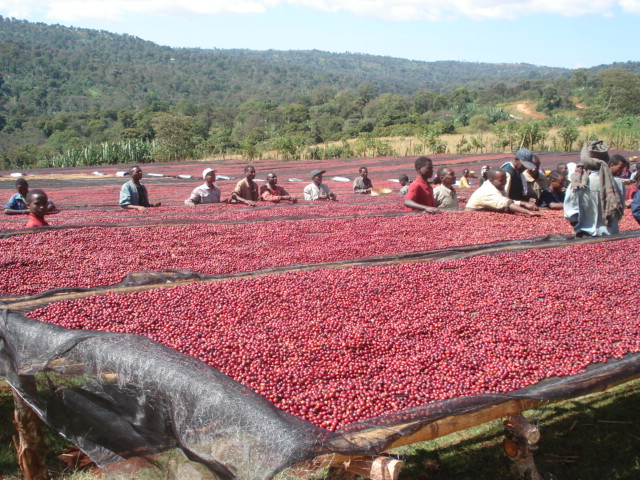
The China Coffee Network recommends Ethiopian sun-dried jaga Feijia snow coffee G1 sugar-free boutique coffee.
Yega Sheffield Coffee refers to the Yega Sheffield Coffee produced in Ethiopia. Yega Xuefei is the name of a local town. It is about 1700-2100 meters above sea level. Now Yejashafi coffee has become synonymous with Ethiopian boutique coffee. Although the Ethiopian Yirgacheffe coffee is petite, it is gentle and delicate and sweet. For coffee.

Introduction of Ethiopian caffeine content sun-dried Shaquisol G1 low-caffeine coffee
Professional barista exchanges please follow the coffee workshop (Wechat official account cafe_style) Ethiopia low caffeine series Shakiso G1 sun Ethiopia Decaf Shakisso G1 Natural 0.1% very low caffeine flavor is very refreshing Mountain Water Decaf is the use of Mexico's highest peak Pico de Orizaba (elevation 5500m) mountain spring water to remove caffeine

Washed and sun-dried Salvadoran coffee flavor and taste introduce boutique coffee beans
Coffee flavor and quality El Salvador is a producer of high-quality commercial Arabica beans and is famous for its strict and effective quality control. Since 2003, he has joined the COE competition. With excellent ancient coffee, it successfully entered the boutique coffee market.

Fully washed and sun-dried Chateau Cauca Lazimus in Colombian coffee producing area
Cauca province is similar to other southwest producing areas, the precipitation shows an obvious unimodal distribution (monomodal), and the dry season mainly occurs from August to September every year, followed by a concentrated coffee blossom season followed by the next year's concentrated coffee harvest season. The biggest difference in climate between Cauca and other producing areas is probably the relatively large temperature difference, with an average daily temperature of 11 ℃ and daytime.

How to choose coffee bag Ethiopia Sidamo Gujiso Xia Chiso sun-dried coffee cooked beans
The coffee flavor of Sidamo is very diverse, because of the different soil composition, regional microclimate and countless native coffee varieties, the coffee produced in each urban area has obvious differences and characteristics. Sidamo producing area (Sidama) is located in the south of Ethiopia. The industry here is mainly agricultural, and the coffee growing area is located around the Great Rift Valley (Great Rift Valley) of East Africa.

The difference between Kenyan Water washing and Solar treatment African drying beds customized Kenyan sun-dried beans
For the exchange of professional baristas, please follow the coffee workshop (Wechat official account cafe_style) Product name: Endabeth Manor Endebess Estate tanning batch Natural AB country: Kenya Kenya producing area: Kitale Town Elgon Mountain Mount Elgon Grade: AB treatment method: sun treatment Natural Process varieties: Batian, Rui

There are several grades of Ethiopian coffee.
Ethiopian beans are easily recognizable, mostly small and pointed long beans, known as longberry, and often mixed with small oval-shaped short beans, called shortberry, which look uneven in size and appearance. The commercial bulk beans of Grade4 or Grade5 are mostly mixed with hundreds of different crystal seeds in different producing areas, so the phenomenon of uneven bean phase is the most obvious.

Characteristics of sun-drying geisha coffee in Morgan Manor, Panama
Professional coffee knowledge exchange more coffee bean information please follow the coffee workshop (official Wechat account cafe_style) Panamanian well-known manor exquisite processing batch flavor | wild ginger, lemon grass, strawberry, cranberry, Darjeeling black tea producing area / Chiriki variety / geisha Geisha treatment / sun planting altitude / 1600-1800 m annual rainfall / 3500 mm average annual temperature /

How to identify coffee beans in Ethiopia
Following Cafe (official Wechat account vdailycom) found that Ethiopian beans are easy to recognize. Most of the beans are small and pointed into long beans, so-called longberry, and often mixed with small oval-shaped short beans, so-called shortberry, looking uneven in size and appearance. The commercial scale of Grade4 or Grade5

Introduction to the appearance characteristics of Ethiopian Coffee
Ethiopian beans are easily recognizable, mostly small and pointed long beans, known as longberry, and often mixed with small oval-shaped short beans, called shortberry, which look uneven in size and appearance. The commercial bulk beans of Grade4 or Grade5 are mostly mixed with hundreds of different crystal seeds in different producing areas, so the phenomenon of uneven bean phase is the most obvious.

Flavor description of Brazilian Minas sun-dried bourbon coffee beans introduction to the characteristics of varieties and taste
Brazilian coffee beans introduced coffee to Brazil in the early 18th century. In 1727, the Brazilian government sent a personable army officer to secretly bring coffee seeds from French Gaiana to Brazil on the grounds of mediating border disputes. It is said that the governor's wife of French Gaiana was so fascinated by the officer that she secretly carried coffee tree seeds in the bouquet at the farewell dinner.